But I’m an observer, and with that, there’s always something to describe. The bigger challenge is found in taking what one observes and relaying it intelligibly. Lucid writing is the real story of success, not the pinpointing of opportunities for writing. Those are everywhere.
From a different view, style plays a part in the writing’s lucidity. My former agent used to say that my style wasn’t digestible to the larger crowds. In her words, “You require your readers to know too many big words.” I never was very sure if I should be happy or sad about that bit of criticism. Although, from a marketing perspective, I understand what she meant. Success or ruin comes by one’s own natural proclivities, and I do tend to swim away from the better-selling fast food forms of dialogue.
But it was Rudyard Kipling who noted that words are the most powerful drug used by mankind. I can attest to the dizzying high a well-crafted sentence brings in comparison to the bottom-shelf beer-usage of everyday language.

Whoever has the lesser handle on language in a conversation will always be at a disadvantage. It’s one reason why if my wife Jennifer ever dies, I’m going to mandate that we only speak Shakespearean English in my house. Even the moments of contention would be incredibly enjoyable.
“Lord, what fools these mortals be,” my unbathed and eldest son might emerge from his messy bedroom to say of his younger sibling’s confidence.
“Ah, yes,” the sibling-daughter might reply, wielding her wit as a surgeon wields a scalpel. “Self-love, my liege, is not so vile a sin as self-neglecting.”
You see what I mean. It would be a much more entertaining exchange than Josh telling Madeline to cool her jets and Madeline calling him a slob.
It’s the same with whisky. You can tell who has the truer handle on its workings and who doesn’t—the ones who don’t just make it to make it. The Balvenie is one distillery free from the flabbiness of imprecision, and their 12-year-old “The Sweet Toast of American Oak” edition is another of their proofs.
The nose of this whisky is exceptionally nutty, and not in the sense of demanding the defunding of police and then dialing 911 when rioters begin destroying your property, but rather it communicates caramel-coated almonds and vanilla soaked pecans. It also induces the sense of fruitcake, and not in the sense of someone checking to see if fire is hot by touching it, but rather with driftings of actual baked fruit and cake batter.
The palate of this gem is one of jellied sweets presented on spicy oak planks. A sip or two more and its reach becomes a broader gathering of cinnamon and apricots. These carry over into a relatively shorter finish—which is its only lagging character. There’s so much to enjoy in the whisky, you wish it would stay and chat for a little while longer.
And so with that, we might so slovenly say to this newfound friend, “TTFN dude. It was cool meeting you.”
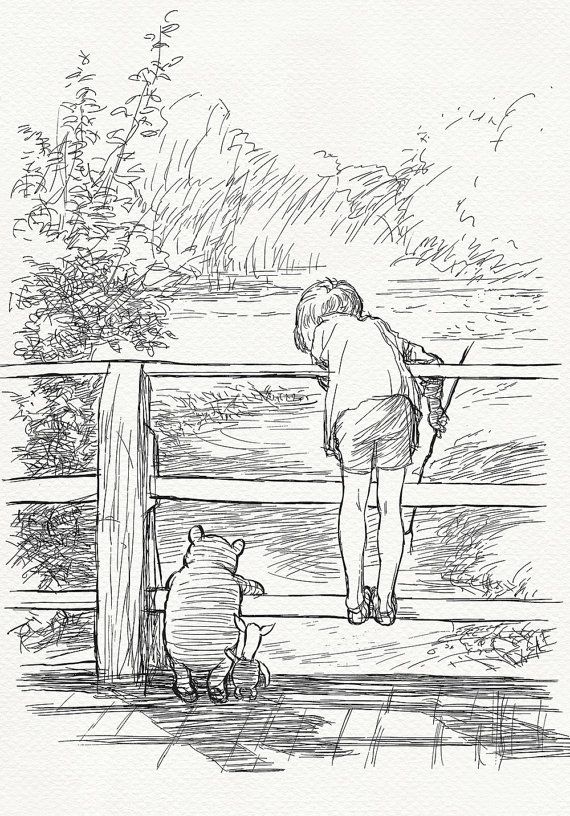
Or we could make an effort to deliver a more meaningful goodbye, one that communicates a depth of real gladness for the friendship. As you return the cork to its keep and make a place for the bottle on the shelf, perhaps you might offer, “How lucky I am to have something that makes saying goodbye so hard.” But of course speaking in this way would tease the fact that even the casual expressions of a stuffed bear named “Pooh” in a children’s story from 1925 dwell far beyond the boundaries of the current world’s colloquial abilities.